1 Introduction to Streamlit
Streamlit is introduced as a fast, approachable way to build interactive web applications entirely in Python. The chapter explains that web apps are easier to share and use than command-line scripts because they provide graphical interfaces in the browser, but traditional web development usually requires separate frontend skills in HTML, CSS, and JavaScript. Streamlit solves this problem by letting Python developers combine application logic and user interface code in one simple framework, making it especially useful for data scientists, analysts, hobbyists, and engineers who want to turn ideas into usable apps quickly.
The chapter highlights why Streamlit has become popular: it is pure Python, has concise and intuitive syntax, creates attractive interfaces by default, and lets developers focus on app behavior rather than low-level UI details. It works especially well for data science, visualization, Pandas dataframes, and modern AI applications such as LLM-powered chatbots. Streamlit also supports easy sharing through free deployment options, benefits from a large and helpful community, and can be extended with third-party or custom components when built-in elements are not enough.
Streamlit is best suited for dashboards, data exploration tools, machine learning demos, generative AI apps, internal workplace tools, quick utilities, and prototypes for larger systems. However, the chapter also stresses its tradeoffs: it is not ideal for very large-scale production applications, highly customized user interfaces, or native desktop and mobile apps. Compared with Jupyter notebooks, raw web languages, React, Flask, Django, FastAPI, Tkinter, and PyQt, Streamlit occupies a distinct niche: it helps Python users build polished, shareable browser-based apps with far less complexity, while sacrificing some flexibility and fine-grained control.
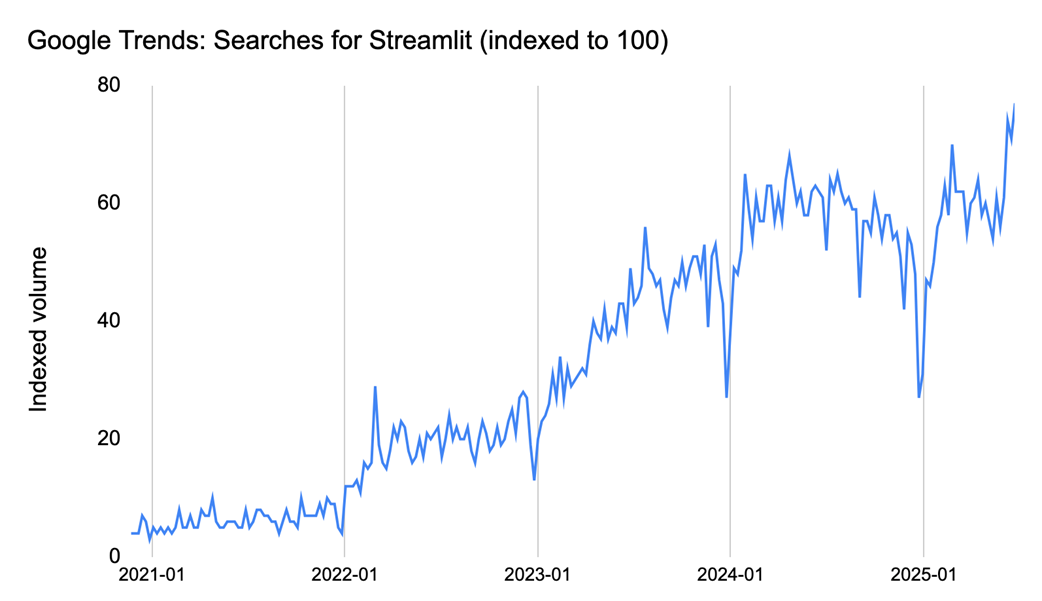
A Google Trends chart showing the popularity of Streamlit over time (note: the periodic dips near the end of each year correspond to the week between Christmas and New Year's Day, when I assume relatively few people are working).
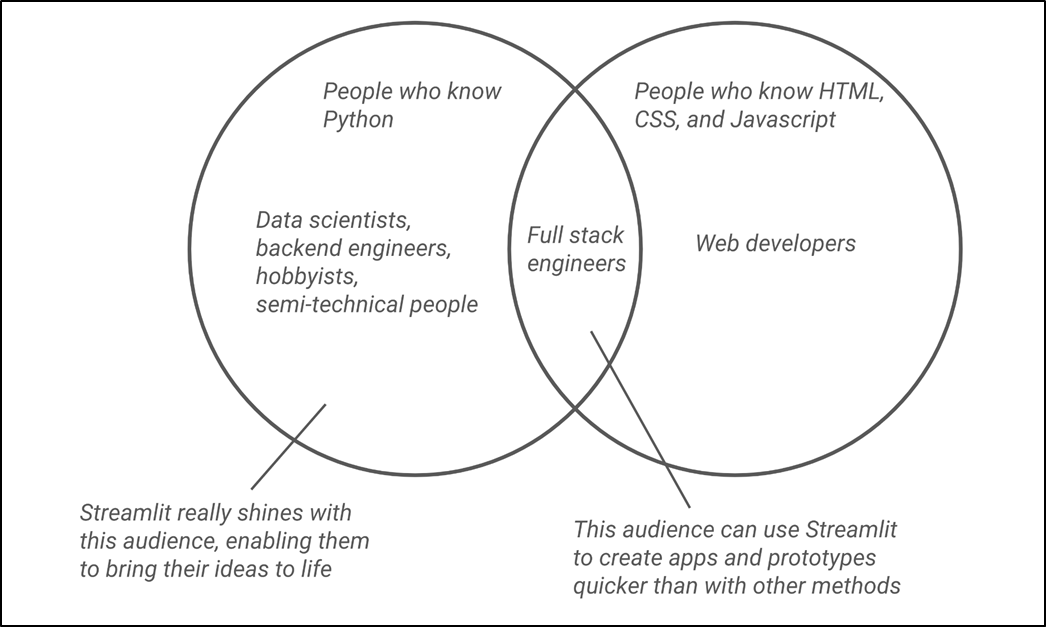
Streamlit unlocks web app development for anyone who knows Python and helps even full-stack developers prototype and build faster.
Tabs in Streamlit, illustrating how Streamlit makes UI choices for you.

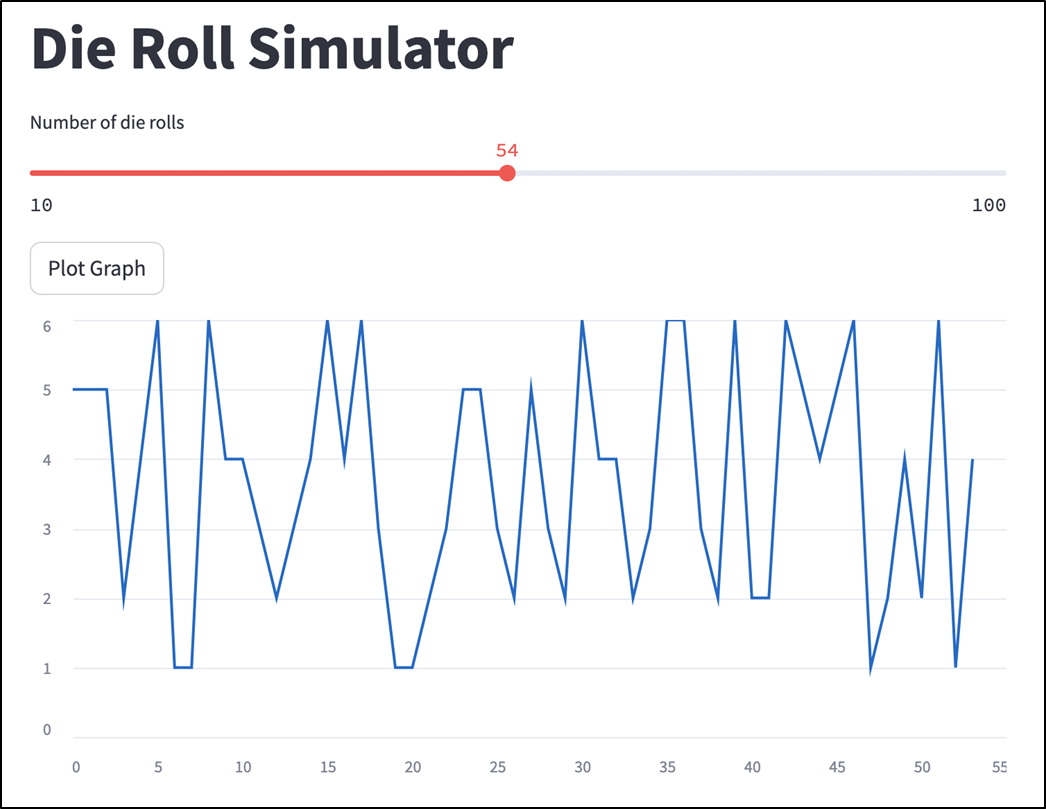
Output of a die roll simulator in Streamlit.
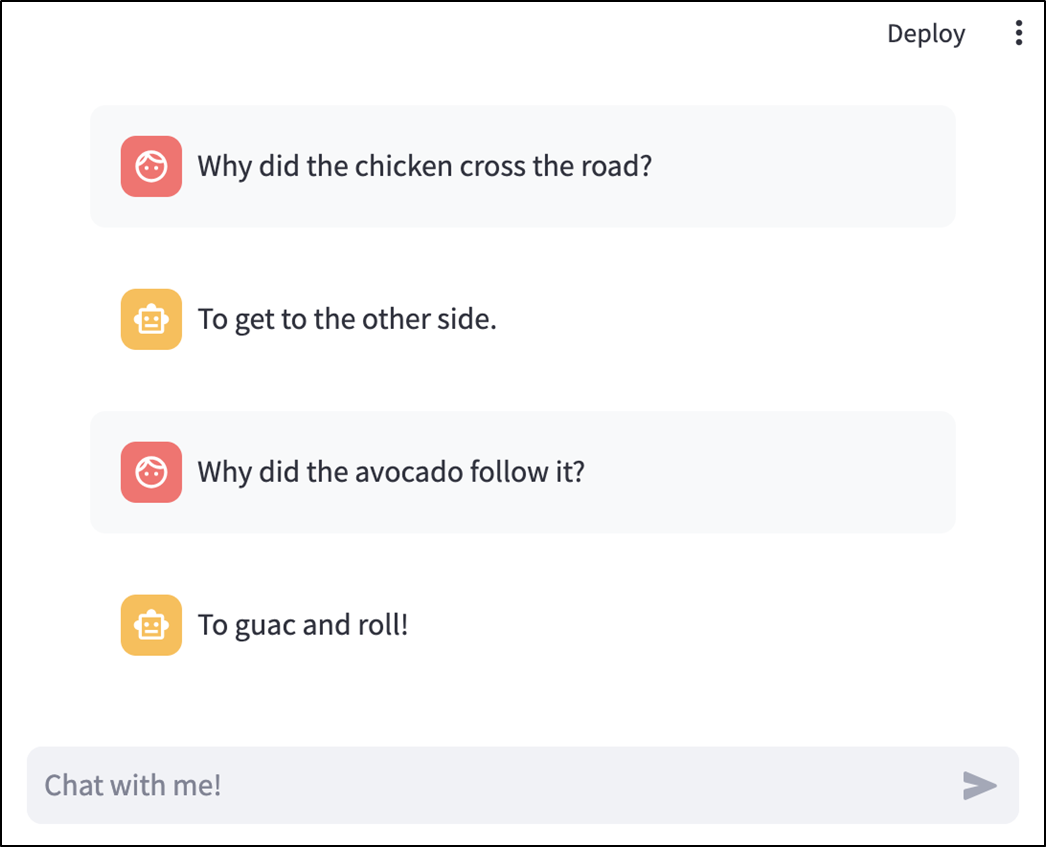
A complete AI chatbot in Streamlit.
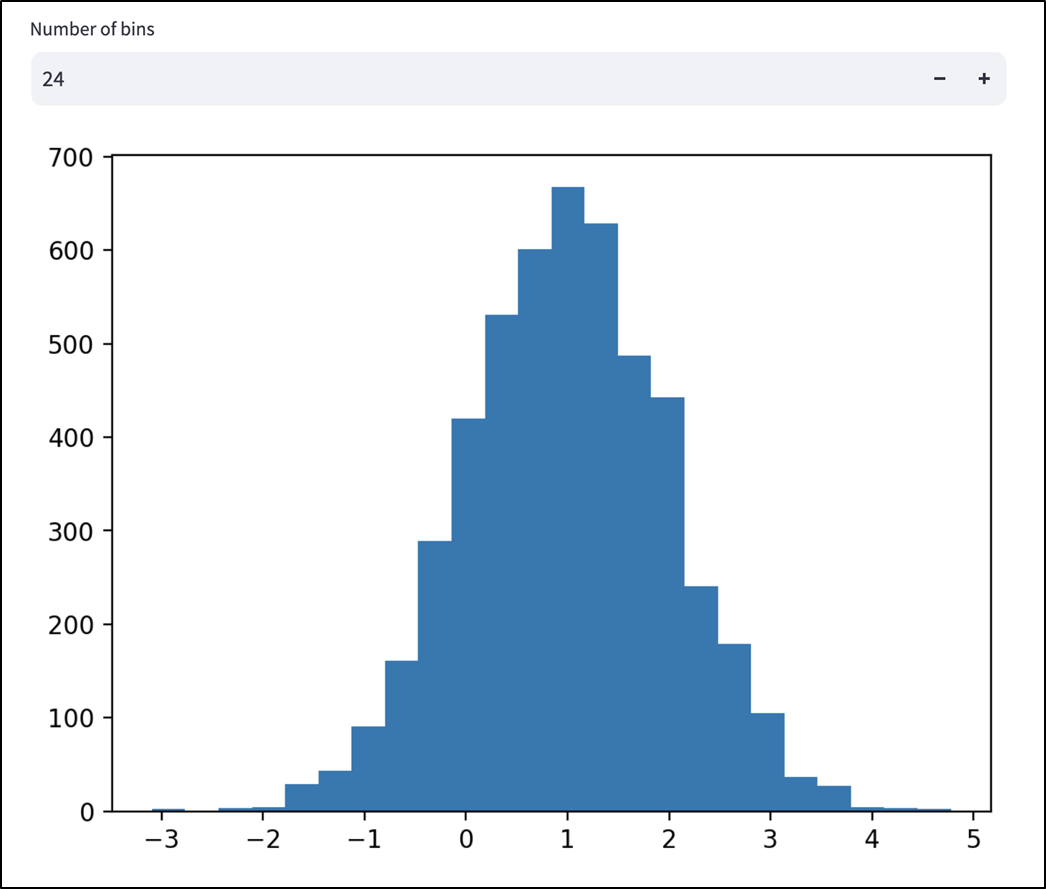
A histogram in Streamlit created using the popular Matplotlib library
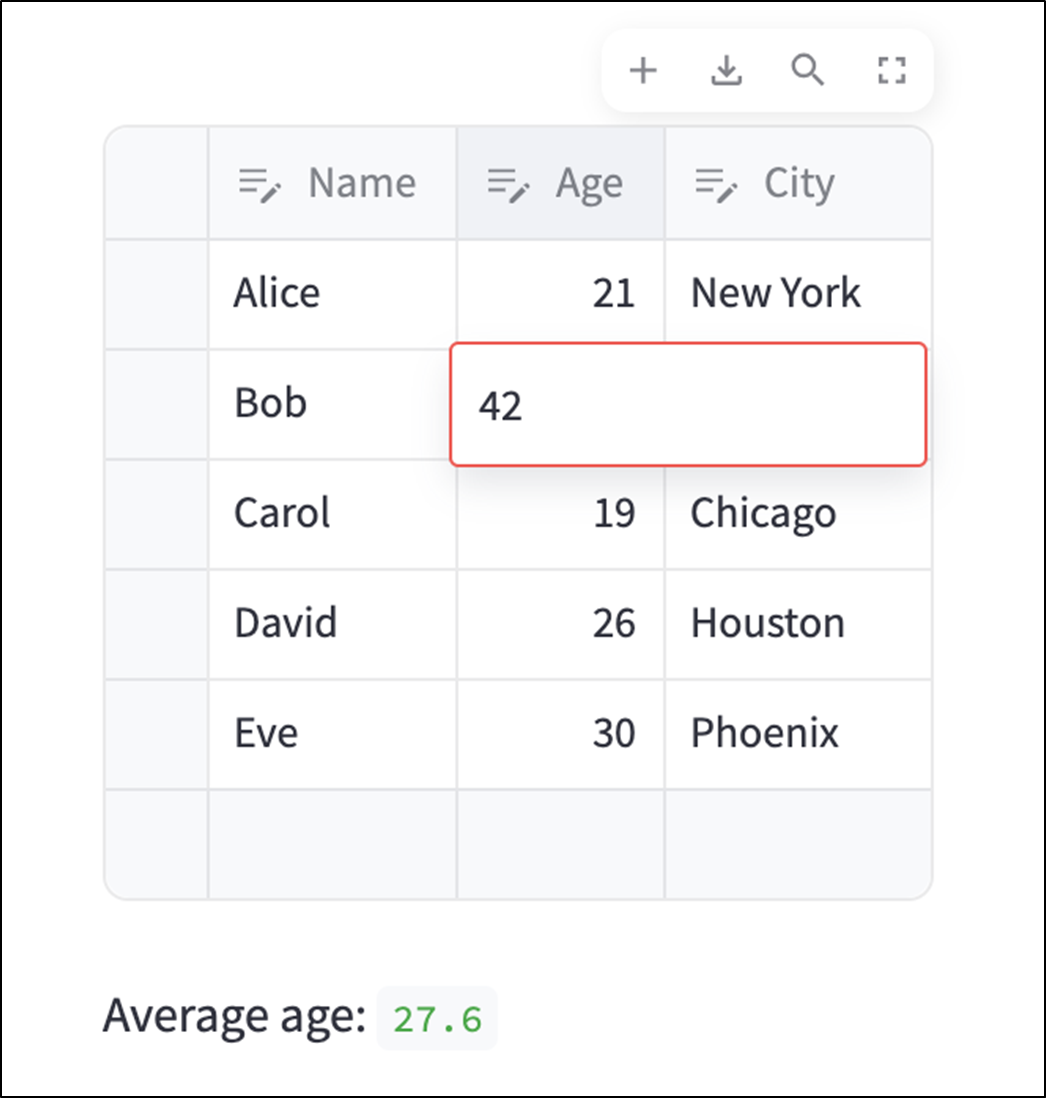
An editable Pandas dataframe as displayed in Streamlit (see chapter_01/data_editor_example.py in the GitHub repo).
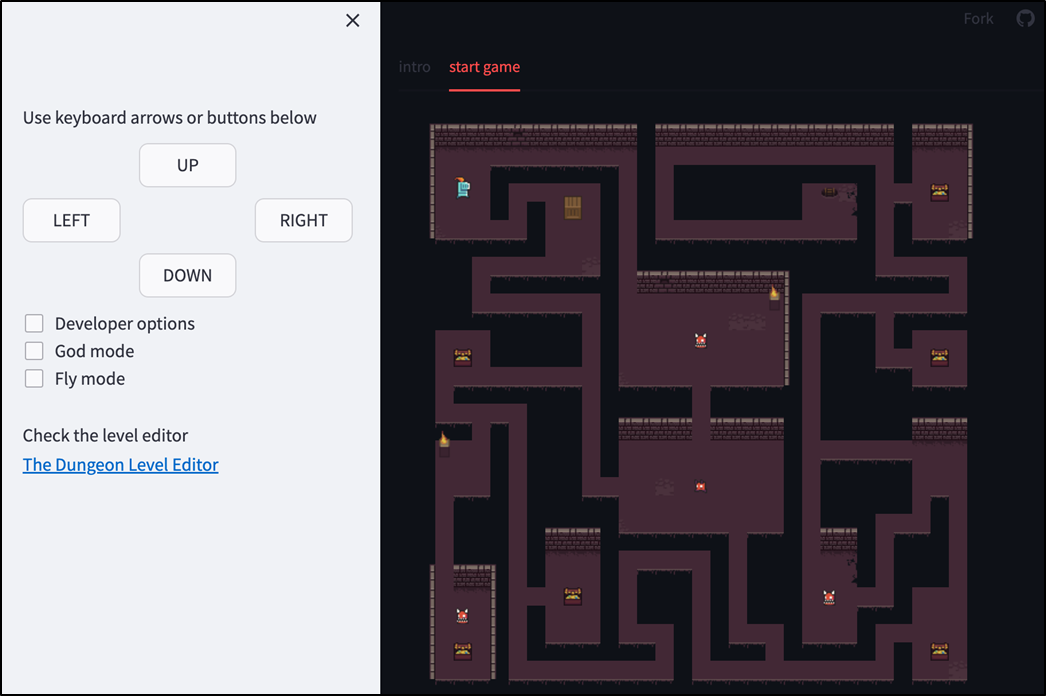
Dungeon, a game created with Streamlit (https://dungeon.streamlit.app/) created by Tomasz Hasiów.
Summary
- Streamlit is a framework for building web apps in pure Python without HTML, CSS, or JavaScript.
- Streamlit has been gaining popularity due to its simplicity, development velocity, LLM support, powerful visualizations, and integration with data science libraries, among other features.
- With Streamlit, you can create many types of applications: data apps, internal workplace tools, LLM apps, prototypes for larger apps, and more.
- You shouldn't use Streamlit for large-scale apps meant for millions of users, or apps that require a high level of UI customization.
FAQ
What is Streamlit?
Streamlit is a pure Python frontend development framework for quickly creating web apps. It lets Python developers build interactive, browser-based user interfaces without writing HTML, CSS, or JavaScript. A simple way to think about Streamlit apps is: Python scripts where users can click buttons, move sliders, enter text, and view charts.
Why are web apps useful compared with command-line scripts?
Web apps provide a graphical interface that users can access in a browser. Unlike command-line scripts, they let users click, scroll, and interact visually, which makes them much more approachable for non-technical users. They also do not require installation or manual updates, so they are easy to share across devices.
What are the two main parts of a typical web app?
A typical web app has a backend and a frontend. The backend contains the app’s logic, such as calculations, database queries, or API calls. The frontend contains the visual elements users interact with, such as buttons, text boxes, menus, charts, and tabs. Streamlit helps Python developers create both app logic and user interface in Python.
Why is Streamlit popular among Python developers?
Streamlit is popular because it is pure Python, easy to learn, fast for prototyping, and capable of producing good-looking apps with minimal code. It is especially useful for data science, dashboards, internal tools, and AI applications. Its simple syntax and sensible defaults let developers focus on the app’s logic instead of detailed frontend design.
Do I need to know HTML, CSS, or JavaScript to use Streamlit?
No. One of Streamlit’s main benefits is that you can build web apps entirely in Python. Traditional web development often requires HTML for structure, CSS for styling, and JavaScript for behavior. Streamlit abstracts much of that complexity and provides pre-built interface elements such as buttons, sliders, charts, tabs, and chat inputs.
What kinds of apps can I build with Streamlit?
You can build many kinds of interactive apps with Streamlit, including data dashboards, data exploration tools, interactive visualizations, machine learning model demos, generative AI apps, chatbots, internal workplace tools, file converters, project management dashboards, and lightweight prototypes for larger applications.
Why is Streamlit well suited for data science and visualization?
Streamlit was originally designed for data scientists and works well with Python’s data ecosystem. It supports popular visualization libraries such as Matplotlib, Plotly, Altair, GraphViz, and PyDeck. It also has strong support for Pandas dataframes, including the ability to display and edit tabular data visually in an app.
How does Streamlit help with building AI and LLM apps?
Streamlit is a strong fit for AI apps because Python is widely used in AI development, and Streamlit makes it fast to add an interactive interface. It includes chat elements that simplify building conversational apps and works well with AI-related libraries and services such as OpenAI, Anthropic Claude, LangChain, TensorFlow, PyTorch, and scikit-learn.
When should I avoid using Streamlit?
Streamlit may not be the best choice for very large-scale production apps, apps with millions of users, apps requiring highly customized user interfaces, or native desktop and mobile apps. Streamlit reruns the Python script from top to bottom when the app changes, which can affect performance for heavy computations or large datasets. For highly customized interfaces, tools like React, Flask, Django, or traditional HTML/CSS/JavaScript may be more appropriate.
How is Streamlit different from Jupyter notebooks, React, Flask, Django, FastAPI, Tkinter, and PyQt?
Jupyter notebooks are mainly for interactive documents, exploration, and sharing code with technical collaborators, while Streamlit creates polished apps for end users. React is a powerful JavaScript framework with more UI flexibility, but it is not Python-based and has a steeper learning curve. Flask, Django, and FastAPI are mainly backend Python frameworks and still require a separate frontend. Tkinter and PyQt create desktop apps, while Streamlit creates browser-based web apps.

 Build Python Web Apps with Streamlit ebook for free
